
Command in War
Sharpening our Military Command: Parts 1 - 5

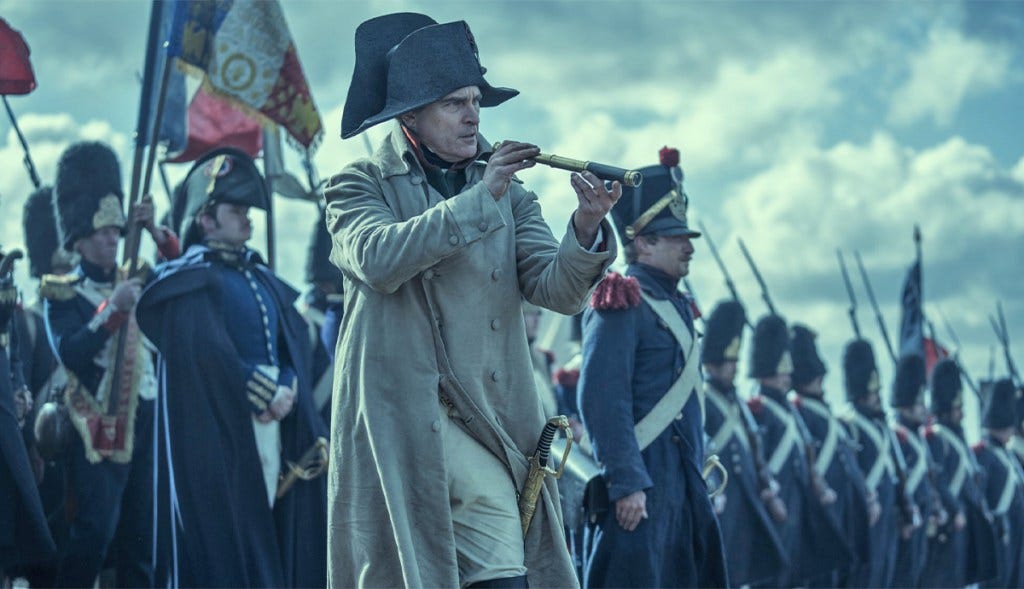
“From Plato to NATO, the history of command in war consists essentially of an endless quest for certainty, and can be understood as a race between demand for information and the ability of the command system to meet it” - Martin van Creveld in Command in War [1]
The endless quest Van Creveld describes is understandable, but pointless. War is non-linear and therefore always to a large degree about how to deal with uncertainty. Nor is it about processing information, it is about how to anticipate (predict) what will happen next. For this, you do not necessarily need more information, you need familiarity, or what we sometimes call experience or expertise.
Martin van Creveld defines command not as just battlefield leadership but the broader function of organizing, directing and coordinating forces and resources. It therefore encompasses many functions and is much more complex than as often depicted in movies (like Napoleon). Moreover, how we command can make the difference between winning and losing. Therefore, I have dedicated an entire series on command (and control) and I intend to continue writing about this topic. If you have any special requests or topics that you would like to see discussed, feel free to drop them in the comments!
Especially for those that subscribed just recently, I have listed the entire series on command below, dealing with various topics like uncertainty, information, speed, time and more.
Thank you for reading! There are only free-subscriptions to Beyond the Art of War. If you do want to make a contribution, you’re welcome to buy me a coffee!
The views expressed are those of the author and do not reflect the official position of the Armed Forces.
[1] Van Creveld, Martin. Command in War. Cambridge, MA: Harvard University Press, 1985 (reprint 1987), P 265
Don’t choke and if there’s a lawyer in sight, get them from your sight, and site.
Good luck.